Tuesday, Dec 16, 2025 | 24 Jumada Al-Akhirah 1447

Tuesday, Dec 16, 2025 | 24 Jumada Al-Akhirah 1447
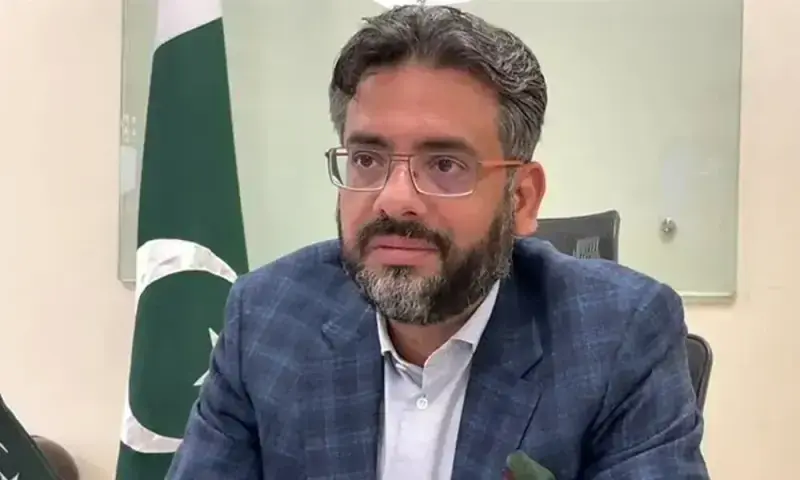
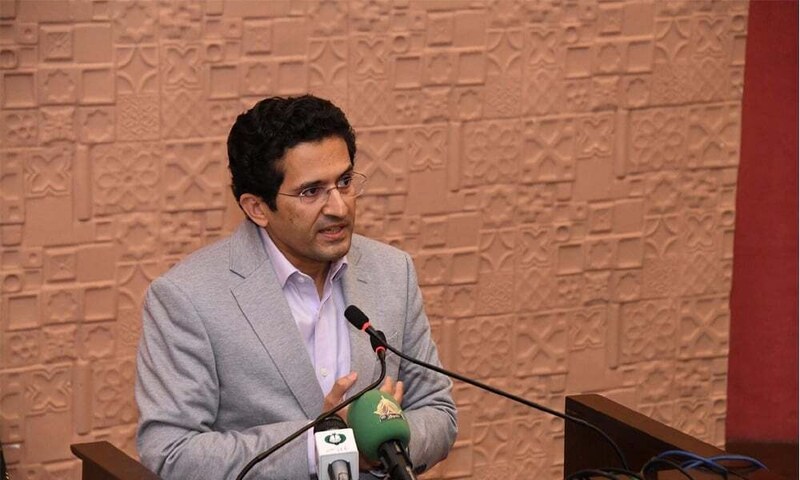
ISLAMABAD: Muzzammil Aslam, Adviser to the Chief Minister of Khyber Pakhtunkhwa on Economy, on Monday highlighted the country’s ongoing economic struggles, citing concerning growth projections, rising inflation, and worsening unemployment amidst continued commitments to the IMF and growing external pressures.
Speaking at a press conference, he confirmed that eight committees have been formed following the 4 December National Finance Commission (NFC) meeting to tackle the country’s economic challenges.
These committees are led by key figures: two by Finance Minister Aurangzeb, two by the KP Finance Minister, two by the Balochistan Chief Minister, and one each by the Finance Ministers of Sindh and Punjab. Aurangzeb will head the committee on the divisible pool.
Aslam disputed the government’s claim of a 2.7 percent growth rate for 2025, insisting that the rate during the previous government under Shehbaz Sharif and the Pakistan Democratic Movement (PDM) remained below 2 percent.
This points to the severity of the country’s stagnating economic growth, with unemployment reaching a staggering 7 percent, the highest in 21 years, according to the latest Labour Force Survey.
Citing a World Bank report, he also confirmed that 45% of the population has fallen below the poverty line, a sharp indicator of the country’s economic decline.
Further raising alarms, Aslam referred to IMF projections following the 2025 floods, warning that Pakistan’s GDP could contract by 0.5%, inflation could rise by 0.5%, and the current account deficit could increase by $1,000 billion.
The IMF’s continued involvement highlights deep structural issues in Pakistan’s economy, with Aslam noting the IMF’s call for a model overhaul. This is echoed by a recent SBP report criticising the country’s inability to sustain 225 million people under its current policies.
Referring to General Sarfaraz of the Special Investment Facilitation Council (SIFC), who pointed to the growing tax burden as a key reason for investors avoiding Pakistan, Aslam said, “The government’s claims of economic improvement are a joke,” citing shifting policies and broken promises.
A particularly concerning finding from the IMF’s recent review, Aslam explained, is the increase in the number of conditions attached to Pakistan’s IMF programme, which has risen from 64 to 75, with some new and potentially harmful demands.
He revealed that the government has committed, in writing, to imposing a 5% Federal Excise Duty (FED) on pesticides, fertilisers, and sugary items, should it fail to meet its tax targets. Additionally, a significant hike in the sales tax from 8% to 18% has been agreed upon.
He also noted that the Petroleum Development Levy (PDL), which stood at Rs80 under the PTI government, will now increase by Rs5, adding to the public’s financial burden.
This hike, he explained, is linked to the growing gas circular debt, which has worsened under the current government’s policies.
In a sharp critique, he addressed discrepancies in remittance data, which totalled $21 billion between the Pakistan Revenue Automation Limited (PRAL), the Pakistan Bureau of Statistics, and the State Bank of Pakistan. He insisted that no clear explanation has been provided and that the IMF has demanded more transparency.
Aslam also pointed out the IMF’s concerns about Pakistan’s remittance system, calling for a comprehensive report on rising transaction costs and cross-border finance.
“The IMF has suggested liberalising the sugar and wheat markets, a policy that, while beneficial long-term, may hurt farmers in the short run,” he added.
Referring to recent disclosures by Petroleum Minister Ali Pervez Malik, who stated that LNG imports worth Rs1,250 billion from 2019 to 2024 were unnecessary and drained the national treasury, Aslam remarked that the PML-N government had previously taken credit for this.
With Malik’s new disclosures, the government now acknowledges a Rs3,200 billion gas circular debt. Aslam insisted that to address this, the government plans to suspend LNG imports from Qatar and other suppliers, while imposing a Rs5 PDL on the public for the next five to six years due to the flawed LNG deal made by the PML-N with Qatar.
Aslam further highlighted that, according to IMF forecasts, the government revised its GDP growth target for next year from 4% to 3.2%, while inflation is now projected at 8.9% by mid-2026, up from 6%, with unemployment and remittances expected to remain unchanged.
He also claimed that the IMF has called for removing energy subsidies for lifeline consumers (using up to 50 units of electricity) and suggested including them in the Benazir Income Support Programme (BISP), affecting 5.1 million beneficiaries in Punjab and millions more nationwide.
Finally, Aslam lamented the surge in interest payments from Rs3,900 billion to Rs8,200 billion in just three years, attributing it to the government’s economic mismanagement, worsened by soaring inflation and rising fiscal deficits.
He said that the situation in Khyber Pakhtunkhwa, where the federal government owes Rs1,900 billion for the merged FATA districts, further highlights growing fiscal imbalances and unmet inter-provincial obligations.
He warned that unless urgent action is taken, the country’s economic future could be marked by deepening challenges, including inflation, stagnant growth, rising taxes, and unemployment.
Copyright Business Recorder, 2025