Friday, Feb 27, 2026 | 09 Ramadan 1447

Friday, Feb 27, 2026 | 09 Ramadan 1447
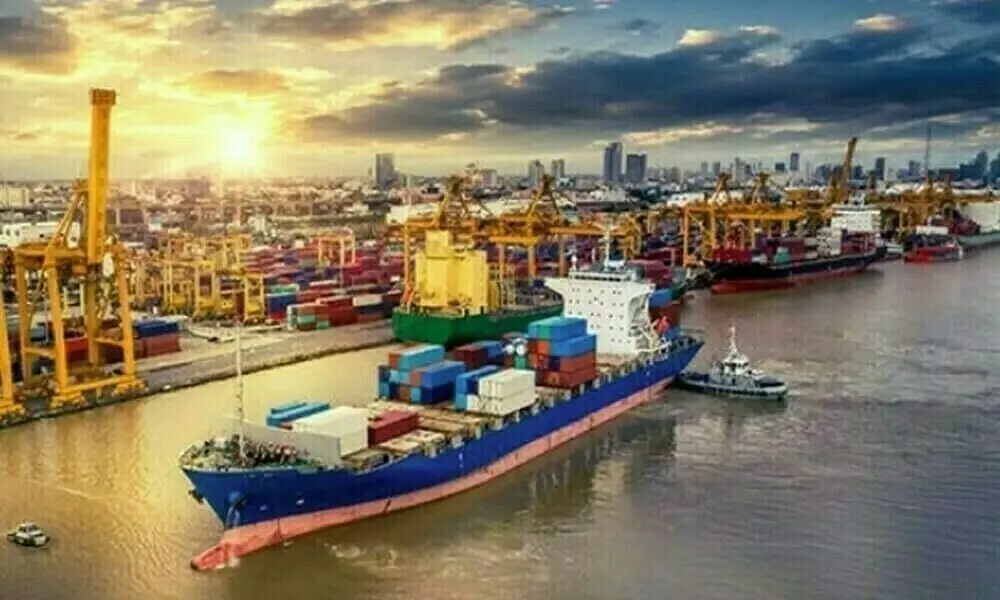
ISLAMABAD: The Ministry of Commerce has stated that, at this stage, the proposed European Union (EU)–India Free Trade Agreement (FTA) does not pose an immediate threat to Pakistan’s exports. It maintained that even after the agreement becomes operational and tariffs on Indian goods are gradually eliminated, Pakistan will continue to enjoy zero-duty access for its key exports under the EU’s GSP+ arrangement.
In a written brief submitted to the National Assembly Standing Committee on Commerce, the ministry noted that the EU remains Pakistan’s largest export destination, accounting for 28 percent of the country’s total exports.
Pakistan currently benefits from duty-free access under the EU’s GSP+ scheme, which has significantly contributed to export growth and market penetration in European markets.
READ MORE: India-EU FTA: MoC weighing potential impact on exports
The GSP+ arrangement covers major export-oriented sectors including ready-made garments, home textiles, hosiery, leather products, footwear, ceramics, glassware, chemicals, and surgical instruments.
During fiscal year 2024–25, Pakistan’s exports to the EU stood at USD 9.01 billion, with over 90 percent of exports entering at zero tariff. Major non-GSP items include rice, salt, glucose, and animal feed. However, exports remain heavily concentrated in textiles and apparel, which accounted for nearly 80 percent of total exports to the EU during the last fiscal year.
In the textile sector, Pakistan and India currently export comparable volumes to the EU — approximately USD 7 billion each. While Pakistan benefits from zero tariffs under GSP+, Indian textile exports face average Most Favoured Nation (MFN) duties of around 11 percent. These duties are expected to be eliminated once the EU–India FTA is implemented.
Under the proposed agreement, India is expected to gain preferential access across 97 percent of tariff lines. However, the EU will maintain protection for certain agricultural products, including sugar, ethanol, rice, wheat, beef, poultry, and milk powder.
The ministry argued that since the EU does not extend tariff concessions beyond the scope of GSP+ on sensitive items such as rice and ethanol, Pakistan’s preferential position — particularly in textiles and apparel — will remain intact.
It further emphasised the importance of continued compliance with GSP+ conventions, noting that the fifth review is currently underway. The government is also taking measures to reduce input costs for export industries, while talks on a Comprehensive Economic Partnership Agreement (CEPA) with the EU are ongoing.
Earlier, Pakistan’s textile industry, in separate letters to the Prime Minister and the Ministry of Commerce, warned that India’s trade agreements with the EU and the United States pose a serious and immediate threat to Pakistan’s textile and apparel exports.
The industry highlighted that it is already facing high energy and input costs, elevated interest rates, heavy taxation, and an increasingly difficult business environment. It cautioned that improved market access for competitors, combined with their lower production costs, could erode Pakistan’s export share in its largest market.
Copyright Business Recorder, 2026