Thursday, Jan 15, 2026 | 25 Rajab 1447

Thursday, Jan 15, 2026 | 25 Rajab 1447
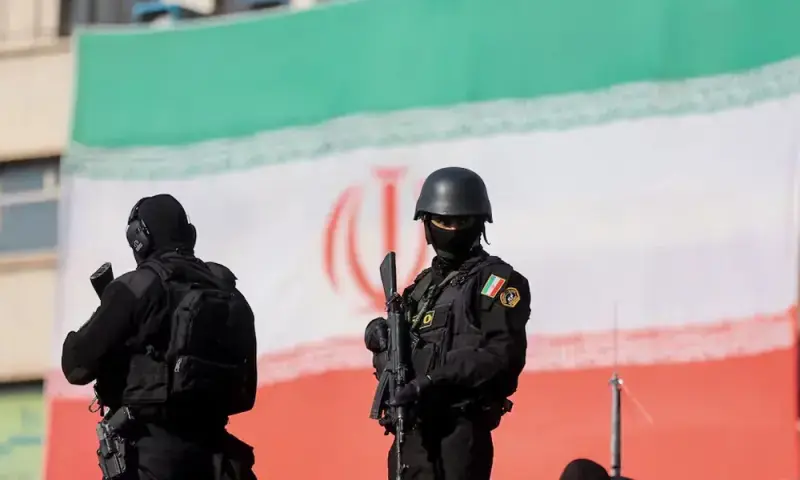
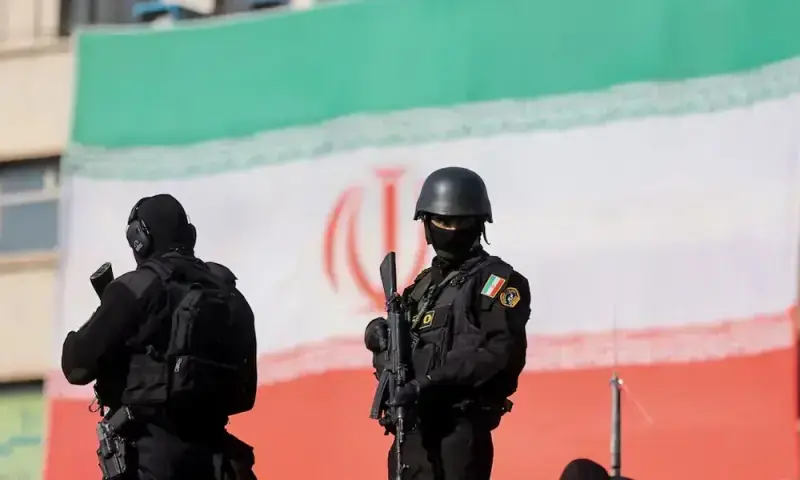
EDITORIAL: What is unsettling about the current moment around Iran is not merely the volume of rhetoric emanating from Washington, but the ease with which the language of intervention and even regime change has returned to mainstream discussion. After weeks of unrest inside Iran and heavy-handed responses by the authorities, external pressure is again being framed as an option. That framing is reckless. For the region, and especially for Pakistan as Iran’s immediate neighbour, the stakes are far higher than for distant powers debating strategy from afar.
Iran is not an isolated, hollowed-out state that can be coerced or destabilised without consequence. It is a large country with deep institutions, a sizeable population, a capable military and a demonstrated ability to respond asymmetrically and directly when threatened. Any attempt to treat it as a candidate for quick intervention misunderstands both Iranian capacity and regional reality. This would not be a clean operation or a symbolic show of force. It would invite retaliation, widen instability and inflict suffering well beyond Iran’s borders.
The global context makes this even more troubling. The past year has already been marked by wars, proxy conflicts and rapidly expanding defence budgets across Europe, the Middle East and Asia. The United States’ recent actions elsewhere, including overt operations and increasingly unilateral postures, have signalled a diminished regard for restraint. In that environment, talk of Iran as the next pressure point feeds a dangerous momentum towards escalation rather than resolution.
For Pakistan, the implications are immediate and concrete. Iran is not a distant theatre. It shares a long border with Pakistan, hosts cross-border trade, and sits within a fragile regional security web already strained by Afghanistan’s instability and renewed tensions elsewhere. Any conflict involving Iran would not remain contained. Refugee flows, disrupted trade, sectarian spillovers and heightened security risks would be unavoidable. Pakistan would bear costs without having authored the crisis.
This is why the emerging possibility of negotiations between Tehran and Washington matters. Even tentative signals of dialogue offer a narrow but vital off-ramp. History suggests that pressure without pathways leads to entrenchment, not reform. Engagement, however difficult, remains the only mechanism that reduces the risk of miscalculation. Hopefully, all sides realise this, because the alternative is a slide into confrontation driven by politics, ideological rigidity and strategic overconfidence.
At the same time, realism demands acknowledging Iran’s internal failures. The unrest gripping the country did not appear out of nowhere. There’s no doubt that foreign actors are playing a part in destabilising the country, but it’s also true that economic hardship, political exclusion and restrictions on basic freedoms have generated deep frustration among ordinary Iranians. The response of the authorities, marked by force rather than accommodation, has compounded that anger. Stability imposed through repression is brittle. Long-term calm requires legitimacy, accountability and respect for the rights of citizens.
This internal dimension cannot be separated from the external one. Foreign intervention, or even credible threats of it, weakens domestic reform by allowing hardliners to rally nationalism and delegitimise dissent as foreign manipulation. It also absolves domestic actors of responsibility by shifting blame outward. If Iran is to address its internal crisis, it must do so without the shadow of invasion or coercion hanging over it.
For the wider international community, the lesson should be clear. Normalising the language of regime change corrodes what remains of global restraint. It sets precedents that others will invoke when it suits them, further eroding an already fragile order. Iran may be the immediate focus today, but the implications extend far beyond it.
This is a moment that demands sobriety rather than bravado. De-escalation is not weakness. It is recognition of reality. Iran cannot be reshaped through force without unleashing consequences that no one can fully control. Dialogue, pressure calibrated through diplomacy, and insistence on human rights through international mechanisms remain the only defensible path.
The window is narrow, but it still exists. For Pakistan, for the region and for a world already stretched by conflict, ensuring that it does not close should be an urgent priority.
Copyright Business Recorder, 2026