Tuesday, Dec 30, 2025 | 09 Rajab 1447

Tuesday, Dec 30, 2025 | 09 Rajab 1447
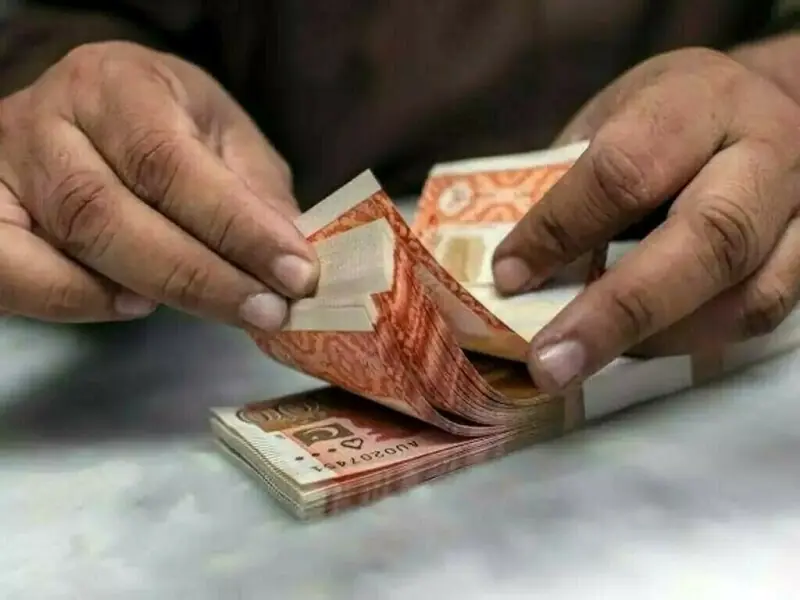
Pakistan government raised record Rs2 trillion through domestic Sukuk issuances in 2025, marking the highest annual volume since the introduction of Islamic bonds in 2008.
The development was shared by Finance minister’s advisor Khurram Schehzad in a post on X.
“In 2025, the Ministry of Finance (MoF) through its Debt Management Office, together with its Joint Financial Advisors (JFAs), successfully issued over PKR 2 trillion in Sukuk - the highest-ever Sukuk issuance in a single calendar year since 2008 by Pakistan,” he wrote.
The number of issuances included 61 across 1-year, 3-year, 5-year and 10-year tenors - Fixed Rental Rate (FRR) & Variable Rental Rate (VRR), he informed.
Also read: IPO oversubscribed: KE concludes issuance of retail listed short-term Sukuk
“The rising share of Islamic instruments in the government’s domestic securities portfolio (domestic debt) underscores strong momentum, growing from 12.6% in June 2025 to around 14.5% by December 2025, clearly positioning the MoF to achieve its 20% Shariah-compliant debt target by FY28.
“This milestone also reflects the structural deepening of Pakistan’s Islamic capital market, sustained investor confidence, and the strengthening of sovereign debt management. It underscores the MoF and its JFAs’ commitment to expanding Shariah-compliant instruments while supporting macroeconomic stability, fiscal sustainability, and long-term growth.
“With a stabilising macroeconomic outlook, disciplined debt strategy, and a clear roadmap for Islamic finance, Pakistan is building a more resilient, diversified, and future-ready government securities market,” Schehzad said.
Sukuk and Green Sukuk
Sukuk is an Islamic financial product, a Shariah compliant alternative to a conventional bond, based on Islamic principles. Unlike traditional bonds that pay interest - which is prohibited in Islam as “Riba” - sukuk works differently.
The issuer sells certificates to investors, using the funds to invest in tangible assets, such as infrastructure or property, in which investors gain partial ownership. The issuer promises to buy back these certificates at their original value after a set period, linking returns to the asset’s income in the form of rental and ensuring adherence to Islamic principles.
Since its introduction in Malaysia in 2000, followed by Bahrain in 2001, sukuk has gained global traction. Today, Islamic firms and governments widely use sukuk, contributing significantly to the international fixed-income market. By tying investments to tangible assets, sukuk aligns with Islamic financial ethics, offering investors ownership stakes rather than debt claims.
Green Sukuk takes this concept further, directing Islamic investments into renewable energy and other environmentally focused projects. It reflects Shariah’s emphasis on environmental care, with funds used for initiatives like building solar plants, retiring construction debt, or supporting green subsidies approved by the government. Often, it involves securing future income from specific eco-friendly assets or projects.
In May this year, Pakistan launched its first Sovereign Domestic Green Sukuk worth Rs30 billion at the Pakistan Stock Exchange (PSX), pushing the share of Shariah-compliant financing in the country’s total domestic debt to 14%, announced Finance Minister Muhammad Aurangzeb then.