Tuesday, Dec 09, 2025 | 17 Jumada Al-Akhirah 1447

Tuesday, Dec 09, 2025 | 17 Jumada Al-Akhirah 1447
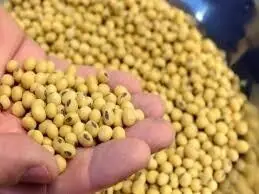
CANBERRA: Chicago soybean futures fell to a six-week low on Tuesday, dragged down by doubts about the scale of Chinese demand for US beans and expectations that large South American production will keep the market well supplied.
Corn and wheat futures rose after data showed healthy demand for US exports, but gains were capped by abundant global supply.
The US Department of Agriculture (USDA) will release a monthly crop supply-demand report later in the day that could move prices.
The most-active soybean contract on the Chicago Board of Trade (CBOT) had fallen 0.1% to $10.92-1/2 a bushel by 0327 GMT, with CBOT wheat rising 0.3% to $5.36-1/2 a bushel and corn gaining 0.1% to $4.44 a bushel.
Soybeans rallied to a 17-month high of $11.69-1/2 in November after top importer China resumed US purchases in late October.
But prices slid as low as $10.91-3/4 on Tuesday, the weakest since October 30.
“There’s certainly more room to fall,” said Sean Hickey, an analyst at Bendigo Bank Agribusiness Insights in Australia.
China does not appear to be buying as much soy as US officials said it would, and Brazilian soybeans are cheaper than US supplies, he said.
The USDA confirmed on Monday that China had bought another 132,000 metric tons of US soybeans, taking total confirmed sales since late October to nearly 3 million tons.
But that is far below a target of 12 million tons cited by the US government, which on Monday unveiled a $12 billion aid package for American farmers.
Chinese trade data showed that the country is on track to import a record amount of soybeans this year, much of it from Brazil.
China has built up large soybean inventories. State stockpiler Sinograin said on Monday it would auction 512,500 tons of beans on Thursday, the first such auction in months.
Traders have been watching for big sales that could make room for more US beans.
Meanwhile, widespread rains in Brazil, the biggest soy producer, bolstered expectations for a large harvest in the first half of next year.