Thursday, Dec 11, 2025 | 19 Jumada Al-Akhirah 1447

Thursday, Dec 11, 2025 | 19 Jumada Al-Akhirah 1447
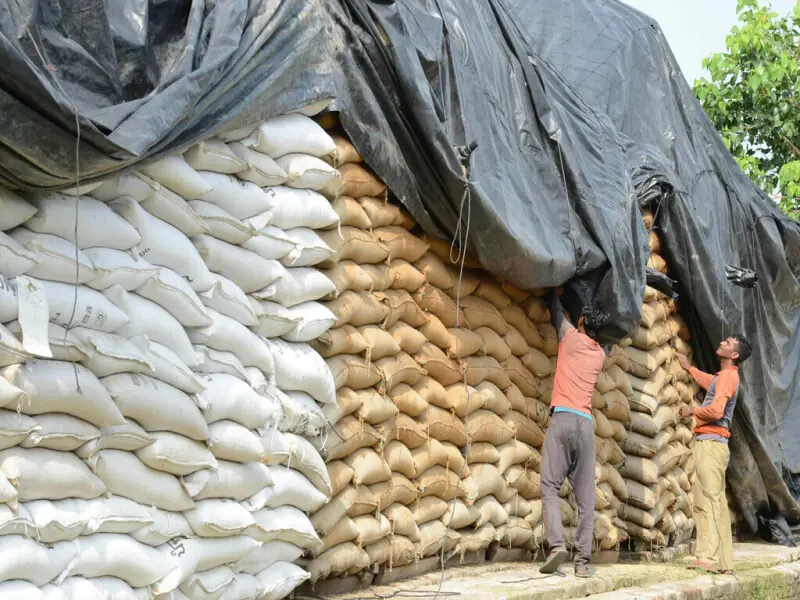
The Competition Commission of Pakistan (CCP) has issued show-cause notices to 10 sugar mills in Punjab for forming a cartel to delay sugarcane crushing and to fix the price of sugarcane purchase from farmers at Rs400 per maund.
The commission observed that the sugar mills held a meeting at Fatima Sugar Mills on November 10 in which these 10 mills jointly decided that sugarcane crushing would start from November 28, CCP said in a statement on Friday.
The representatives of these mills also jointly decided that the price of sugarcane per maund would be Rs400.
“Fatima Sugar Mills Resident Director Rana Jamil Ahmed Shahid chaired the meeting. Representatives of Sheikho Sugar Mills, Thal Industries Corporation, Tandlianwala Sugar Mills (Rehman Hajra Unit), JK One Sugar Mills, Ashraf Sugar Mills and Kashmir Sugar Mills attended the meeting. Meanwhile, representatives of Siraj Sugar Mills, Two Star Sugar Mills and Haq Bahu Sugar Mills participated online,” read the statement.
It should be noted that fixing prices or making other business decisions by forming a nexus of differences in any market is a violation of Section 4 of the Competition Act 2010. It is also worth mentioning that the Punjab Sugar Cane Commissioner had directed the sugar mills to start crushing from November 15, said CCP.
“There is a clear imbalance in the negotiating power between the sugar mill owners and the farmers,” the CCP noted.
“In principle, the price of sugarcane should be fixed by each mill through negotiations with the representative of the farmers of that area, keeping in mind the supply and demand. However, instead of allowing the market system to operate, the mill owners formed a nexus and unilaterally fixed the price of sugarcane at Rs400 per 40 kg,” it added.
In light of this evidence, the CCP has directed the mills to submit a written response within 14 days.
As per CCP, a delay in crushing sugarcane in the early season may affect the supply of sugar in the market, which may lead to an artificial shortage in the market and an increase in retail sugar prices.