Saturday, Jan 24, 2026 | 04 Shaban 1447

Saturday, Jan 24, 2026 | 04 Shaban 1447
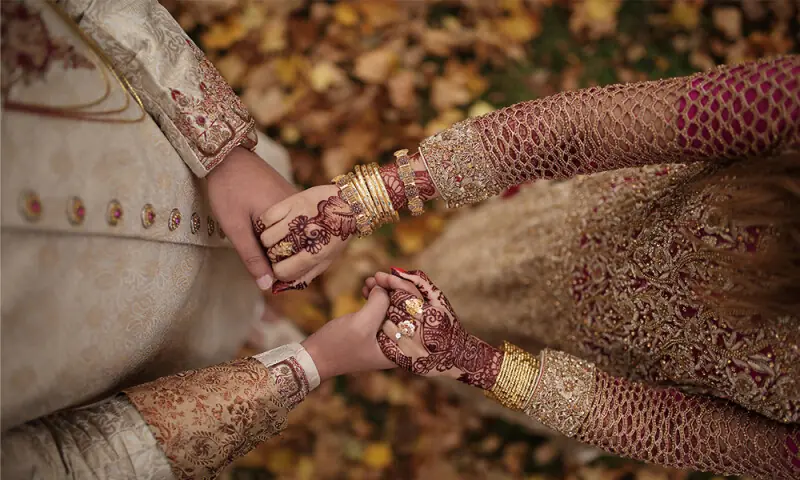
Every year, like clockwork, we hit the winter wedding season. You can tell without anyone announcing it: halls are suddenly booked, designers are impossible to reach, and half the family group chats revolve around dates, clothes, and menus. It doesn’t creep in; it arrives all at once, and somehow the entire country starts behaving the same way.
But we rarely ask why. Why winter? Why the obsession with weekends? Why are photographers booked in one city months earlier but in another city at the last minute? Why do budget-conscious couples often have the biggest guest lists?
After four years inside this industry, working with couples daily and watching how they search, plan, hesitate, argue, spend, save, and finally book, we realised the patterns were too interesting to ignore. So we compiled them into something meaningful: ‘The Shadiyana Wedding Analysis Report’. Nothing based on assumptions, just real data.
And when we sat with the data, the picture became unbelievably clear.
Winter truly is the main season. Spring holds up too. Summer, not so much, weddings slow down, halls breathe. But once we hit October, Fridays to Sundays are packed like they’re reserved for baraats only. Sundays, in particular, are funny. Everyone wants a Sunday wedding, and at the same time everyone is attending one. No wonder it tops both the search numbers and actual bookings.
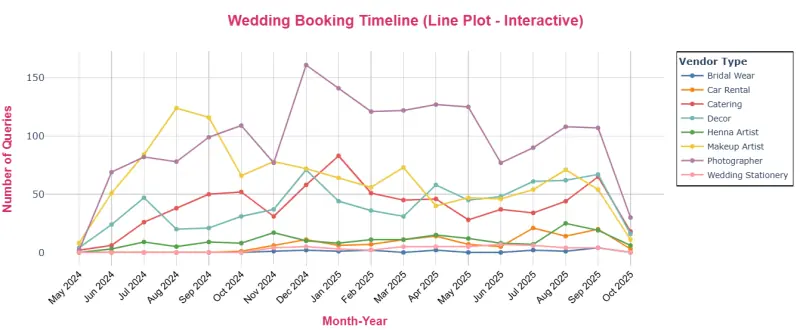
Fig 1.0: Booking timelines for different services
Cities have personalities of their own. Lahore plans on weekends like it’s a ritual, research, calls, decisions. Islamabad waits until the last moment and then scrambles to secure photographers within days of the event. Karachi was quiet in 2024 but our 2025 data looks very different, steadily rising interest, more bookings, more activity.
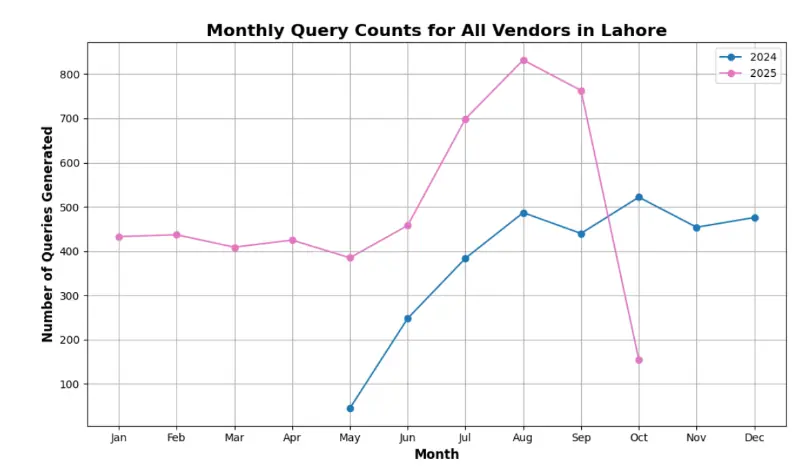
Fig 2.0: In Lahore, weekend plans = wedding plans!
Saturdays, Sundays, and Mondays of July–September 2025 top the charts for vendor queries.
Money tells its own truth. Venues take the biggest chunk everywhere. Islamabad spends the most, with averages around Rs753k. Karachi spends the least, around Rs329k. Budget brides? Interestingly, they invite more people. Cutting décor doesn’t mean cutting relatives.
We also saw a “celebrity effect” inside the industry. A small group of vendors gets the spotlight, majority of attention, enquiries, bookings. Everyone knows them. Everyone wants them. Everyone measures quality by them.
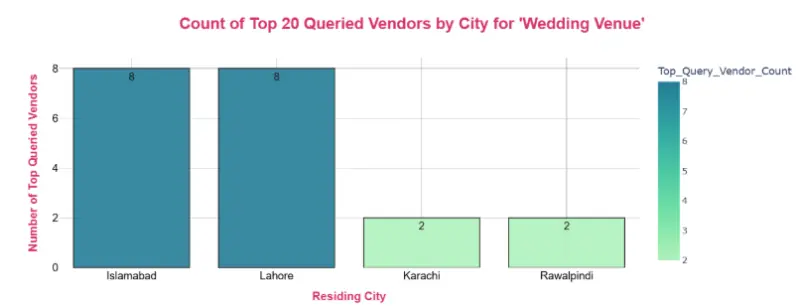
Fig 3.0: Lahore and Islamabad are stealing the wedding spotlight, each city hosts 8 of the most queried wedding venues on record.
Meanwhile, Karachi and Rawalpindi show modest engagement, with 2 top-queried venues each.
Couples usually begin venue hunting around three months before the date. Not super early planners, not completely last-minute, just typical Pakistani timing. In Lahore, premium crowds flock to Garrison Golf & Country Club. More budget-conscious bookings pour in from Johar Town and Canal Road, high volume, fast turnover.
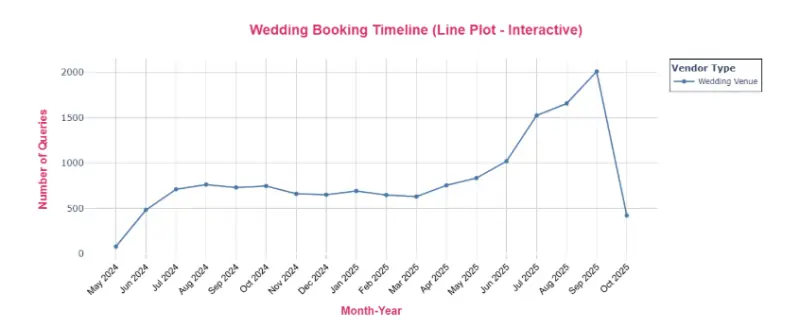
Fig 4.0: Wedding venue planning starts early and the data proves it!
Just like 2024, venue searches this year began climbing from May and are still rising strongly.
And when winter hits, especially October to December, the graph gets dark, Fridays, Saturdays, Sundays are the heartbeat of peak season. You can see it in the numbers without even stepping into a wedding hall.
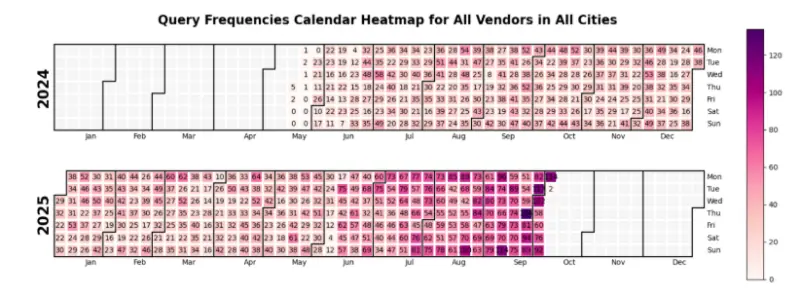
Fig 5.0: From November to April wedding planning hits snooze but from July to September wedding bells won’t stop ringing!
It turns out weddings here aren’t random. They follow a rhythm. A pattern we think we’re creating individually, but everyone ends up doing the same thing: winter dates, weekend events, venue-first planning, photographer panic, trend chasing, vendor loyalty.
This report isn’t just data. It’s a mirror of how Pakistan actually gets married, what we prioritise, how we plan, where we spend, and the little quirks we don’t realise we share.
This is the real story of the wedding season, told by numbers instead of assumptions.