Wednesday, Jan 14, 2026 | 24 Rajab 1447

Wednesday, Jan 14, 2026 | 24 Rajab 1447
ISLAMABAD: Federal Minister for Planning, Development and Special Initiatives Ahsan Iqbal on Monday urged the federal government to declare an export emergency to revive trade and accelerate export-led economic growth.
Speaking at a press conference to release the Monthly Development Outlook Report, he highlighted that Pakistan’s economy is showing signs of recovery, driven by easing inflation, rising industrial output, improving exports, and stronger remittances.
To support exporters, he outlined recommendations including declaring an export emergency, setting up a dedicated hotline at the Prime Minister’s Office, and ensuring the timely disbursement of exporters’ refunds.
READ MORE: ‘Stable policies essential for increasing exports, promoting industries’
He said that Pakistan’s economy recorded 3.7 percent GDP growth in the first quarter of fiscal year 2026, compared to 1.6 percent growth in the same period of FY2025, reflecting a clear turnaround. He added that the industrial sector expanded by an impressive 9.4 percent, while agriculture and services also demonstrated stability.
Iqbal added that the Ministry of Planning had saved Rs 3.5 billion during the first six months of financial year 2025-26, while the government approved the release of Rs 356 billion for development projects, of which Rs 210 billion has already been utilised.
He noted that inflation declined from 7.2 percent in July to 5.2 percent by December, though temporary pressures arose due to supply disruptions caused by floods. He said that exports are now on an upward trajectory, and large-scale manufacturing has rebounded after two years, with industrial growth rising from 0.6 percent to 5 percent between July and October.
Iqbal described the 3.7 percent GDP growth in the first quarter as encouraging and criticised the previous government for relying on imports to achieve a 6 percent growth target, which had widened the trade deficit by USD 50 billion.
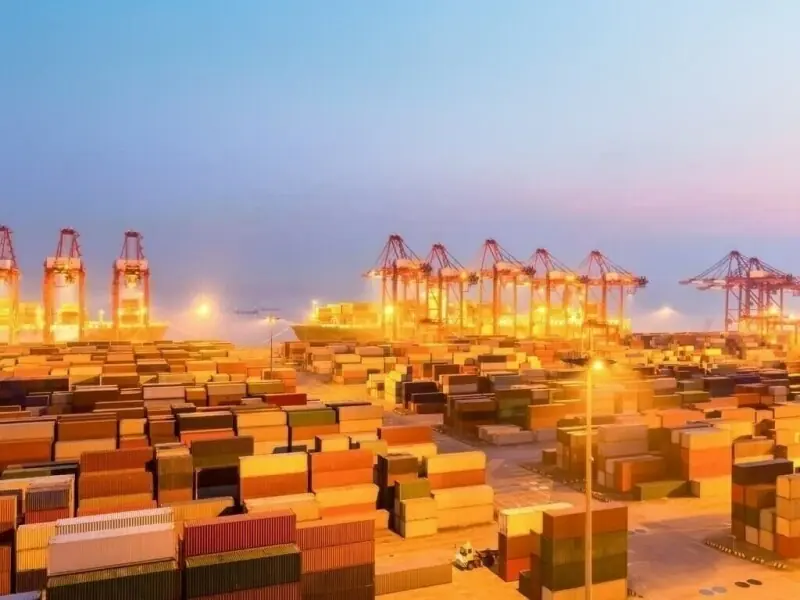
Despite flood-related disruptions and supply chain constraints, Pakistan’s exports showed resilience. The minister said exports increased by 1 percent during July–November FY2026, reaching USD 16.6 billion. Citing experts, he stressed that accelerated growth in the export sector is critical for long-term economic recovery.
Highlighting development spending, Iqbal said Rs356 billion under the Public Sector Development Programme (PSDP) was authorized in the first half of the fiscal year, with Rs314.5 billion sanctioned. Out of the Rs1 trillion PSDP portfolio, project implementation showed steady progress.
He noted that 21 percent of PSDP funds — Rs210 billion — were utilized in the first six months of FY2025, compared to 13.5 percent utilization last year, indicating a significant acceleration in development activity.
During December, four development projects were approved while three were referred to the Executive Committee of the National Economic Council (ECNEC). Recently approved projects are expected to generate approximately 3,000 direct and 64,500 indirect jobs nationwide.
Iqbal also revealed that Rs 3.5 billion was saved during July–November 2025 through improved monitoring and expenditure management, crediting better planning and oversight for enhanced project performance.
“Pakistan and Afghanistan are the only two countries where polio still exists,” he said, adding, “Nowhere in the world are polio workers targeted by terrorists. Making Pakistan polio-free is both our national and international responsibility.” Providing updates on regional connectivity, he said progress on CPEC continues, with the Chinese government signing the minutes of the 14th Joint Cooperation Committee meeting, while Joint Working Group sessions are being held regularly.
The minister noted a steady rise in IT exports, reflecting growing momentum in the education and technology sectors. He stressed the need for comprehensive energy sector reforms over the next two years to establish a strong foundation for growth by 2027.
Copyright Business Recorder, 2026