Thursday, Dec 25, 2025 | 04 Rajab 1447

Thursday, Dec 25, 2025 | 04 Rajab 1447
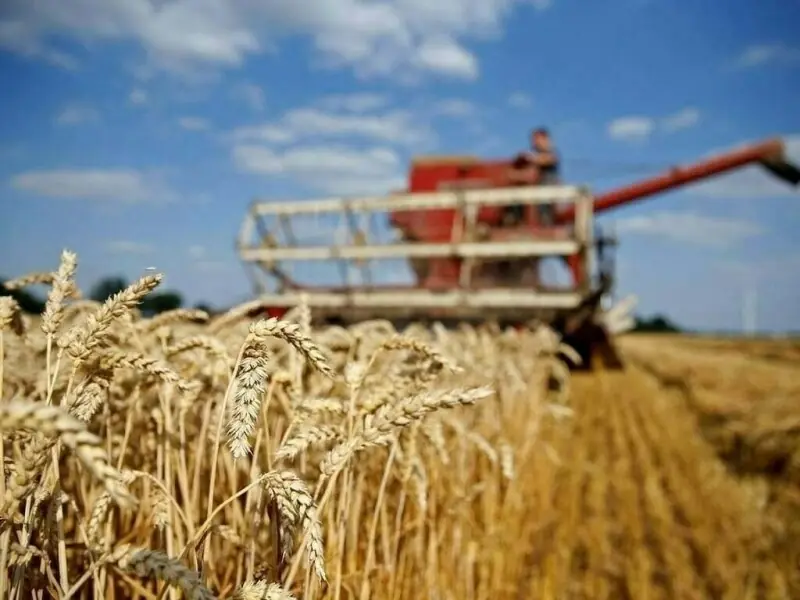
ISLAMABAD: Climate extremes, including severe heat and prolonged drought, have battered wheat production in Pakistan, driving farmers towards newly developed biotech varieties that offer stronger resilience and improved yields under increasingly harsh conditions.
Alongside better yield stability, these varieties are also more nutritious as they are biofortified with higher levels of zinc, an essential micronutrient that boosts immunity, supports child growth, and improves overall health, particularly among women and children, without altering traditional wheat-based diets.
For farmers like Abid Waseem, the shift away from conventional wheat was driven by survival rather than choice. After repeated crop losses linked to heat stress, drought, and emerging pests, he decided to plant biofortified wheat varieties, a move, he says, has transformed his farming outlook.
“This variety can handle extreme heat, drought, and pests. My yield is higher and more reliable,” Abid said, referring to Akbar 2019. He added that farmers in his district are gradually abandoning older varieties as climate stress intensifies. “People now ask specifically for flour made from this wheat for children and families because they know it is healthier.”
He said farmers from nearby villages regularly visit his fields to observe the crop’s performance. “The weather has become unpredictable. Farmers want something that survives, and this does,” he said.
Pakistan’s wheat belts continue to face a combination of climate-related pressures, including unpredictable rainfall, extreme heat, and long dry spells. Farmers say heavy rains often arrive when crops are most vulnerable, while extended drought weakens plants before grain formation. Earlier and longer heat waves have also created conditions for new pests and fungal diseases to spread across fields that once remained stable.
With shrinking farmland due to urban expansion and the declining performance of traditional seeds, scientists and growers have increasingly turned to biotechnology-driven wheat varieties as a practical response to falling productivity and food security concerns.
Dr Javed Ahmed, chief scientist at the Ayub Agriculture Research Institute, Faisalabad, said climate change has fundamentally altered wheat production patterns across the country.
“Heat levels have repeatedly crossed the tolerance limits of traditional varieties, while new crop diseases have appeared as a direct result of these erratic weather swings. Our traditional wheat cannot cope with the climate we face today. Production and grain quality have suffered badly,” he said.
To counter these challenges, Pakistani scientists have developed improved wheat varieties using modern biotechnology in collaboration with HarvestPlus, a global leader in biofortification research. These varieties are designed to withstand higher temperatures, limited water availability, and disease pressure while maintaining stable yields.
Among them, Akbar 2019 has emerged as one of the most successful, offering resistance to heat, drought, and disease while delivering higher per-acre output.
“We developed and scaled Akbar 2019 in collaboration with HarvestPlus. It contains 38 to 40 parts per million of zinc, helping address widespread nutritional deficiencies, especially among women and children,” Dr. Ahmed said. “Biofortified wheat improves nutrition without changing eating habits.”
Zinc deficiency remains common in Pakistan and often goes unnoticed. In children, it weakens immunity, slows growth, and increases vulnerability to infections. In women, it contributes to pregnancy complications, poor wound healing, and chronic fatigue.
Prof. Imran Pasha, Dean of the Faculty of Food and Nutrition at the University of Agriculture Faisalabad, said zinc is critical for immunity, cognitive development, and healthy ageing.
“More than 50 million people in Pakistan are zinc deficient,” he said. “Large-scale cultivation and consumption of biofortified wheat is an affordable and sustainable way to improve zinc intake.”
He urged families to use whole wheat flour and encouraged farmers to adopt zinc-widening varieties to improve both yield stability and public health outcomes.
Copyright Business Recorder, 2025