Saturday, Jan 24, 2026 | 04 Shaban 1447

Saturday, Jan 24, 2026 | 04 Shaban 1447
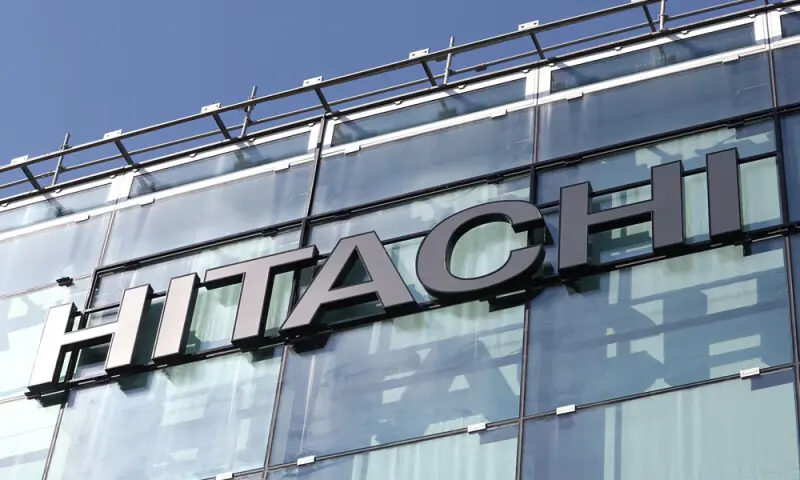
DAVOS: Hitachi India plans to increase its local workforce by more than 5,000 over the next five years, as the Japanese conglomerate bets on rapid infrastructure development and digital transformation in India.
The investments will span energy, artificial intelligence and resources, and will be integrated into the company’s global centres of excellence, Bharat Kaushal, executive chairman of Hitachi India, said on the sidelines of the World Economic Forum in Davos.
Hitachi India already employs 42,000 people across multiple businesses.
The hiring drive is part of a wider strategy to capitalize on surging investment in India’s energy and rail sectors, as well as the growing adoption of advanced technologies such as artificial intelligence and industrial automation.
India has emerged as a key growth market for Hitachi, which is targeting expansion not only in manufacturing but also through the delivery of digitally enabled services.
The government’s push to upgrade urban infrastructure and modernise the energy grid has attracted multibillion-dollar commitments from Japanese and other overseas firms.
The company is keen to export scalable, affordable solutions around the world after successfully deploying them in India, Kaushal said.
DAVOS 26: Nestlé to expand operations in Pakistan with $60mn investment
The expansion comes as companies grapple with rising uncertainty from geopolitical events that have disrupted supply chains and trade links.
“There is a huge uncertainty, and everyone’s rethinking across the world,” Kaushal said.
“In India, you’ve kind of conquered the chaos better, or you’re in a better position to conquer the chaos.”
In its “China plus one” drive, the government has encouraged Indian firms to manufacture locally as a way of avoiding over-reliance on China as a manufacturing base.
Kaushal said this was not an easy task: “It’s about an ecosystem, one China already has in a very robust manner.”
However, with global supply chains continuing to be reshaped, Kaushal said he believed India’s energy, rail, digital and artificial intelligence and service sectors were in the best position to benefit.