Friday, Feb 13, 2026 | 24 Shaban 1447

Friday, Feb 13, 2026 | 24 Shaban 1447
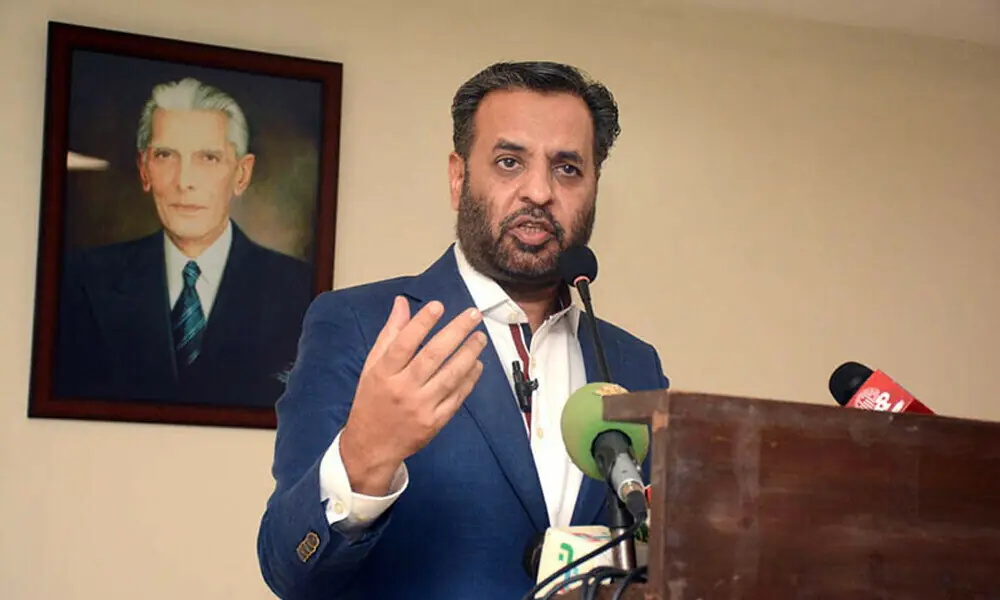
ISLAMABAD: Federal Minister for National Health Services and Regulations Mustafa Kamal has reiterated that improving Pakistan’s health system remains a top priority of the government, saying the health ministry was committed to transforming the system from sick care to true healthcare.
He was addressing the inauguration of a megawatt solar power system at the Expanded Programme on Immunization (EPI) warehouse, which was jointly completed by UNICEF. He said that the vaccination is the first and most effective step toward preventing future diseases, and this project will become a significant milestone towards building a sustainable and resilient health system in Pakistan and reflects the government’s firm commitment to promoting a modern and sustainable healthcare infrastructure in the country.
He emphasised that the primary objective of the initiative is to further strengthen Pakistan’s cold chain system and ensure uninterrupted storage of life-saving vaccines. “With the generation of 1 megawatt of electricity, vaccines will remain safe even in emergencies or power outages,” said Kamal.
He highlighted that maintaining an uninterrupted cold chain is essential for safeguarding millions of children across the country and acknowledged the support of Gavi and other international development partners in operationalising the solarisation system which reflects effective collaboration between the government of Pakistan and its development partners.
He noted that globally, up to 50 vaccine-preventable diseases are covered through immunisation programmes, while Saudi Arabia provides protection against 47 diseases. In contrast, Pakistan currently vaccinates against 13 diseases under its national immunisation programme, all of which are provided free of cost by the government. He also highlighted that the cervical cancer (HPV) vaccine has been included in the immunisation schedule.
The minister informed that currently 49 percent of vaccine financing is borne by Pakistan, while 51 percent is supported by global donors, adding that the global vaccine assistance is expected to end by 2030, which would increase Pakistan’s vaccine expenditure from USD400 million to approximately USD1.2 billion. He cautioned that the country’s economy may not be able to fully absorb this financial burden by 2030 without strategic planning and sustainable investment. “Health is a matter of national security,” the minister stressed, recalling how even developed nations from the United States to China struggled to cope with the burden of patients during the COVID-19 pandemic.
Citing World Health Organisation estimates, he noted that approximately 13 million Pakistanis were pushed below the poverty line due to illness-related expenses. He underscored that healthcare begins at birth and that merely constructing hospitals does not constitute a comprehensive health system.
Kamal further shared that 11,600 citizens from Islamabad, Azad Jammu and Kashmir, and Gilgit-Baltistan have benefited from treatment under the Universal Health Insurance scheme. In addition to PIMS, treatment facilities have been expanded to 13 more hospitals to reduce overcrowding at PIMS and Polyclinic.
Dr Musa Khan DG FDI added, “The solarisation and renovation of our vaccine warehouse is a transformative step in modernizing Pakistan’s immunisation programme.
Dr Gunter Boussery, Chief of Health Section UNICEF Pakistan also spoke.
Copyright Business Recorder, 2026