Thursday, Feb 19, 2026 | 01 Ramadan 1447

Thursday, Feb 19, 2026 | 01 Ramadan 1447
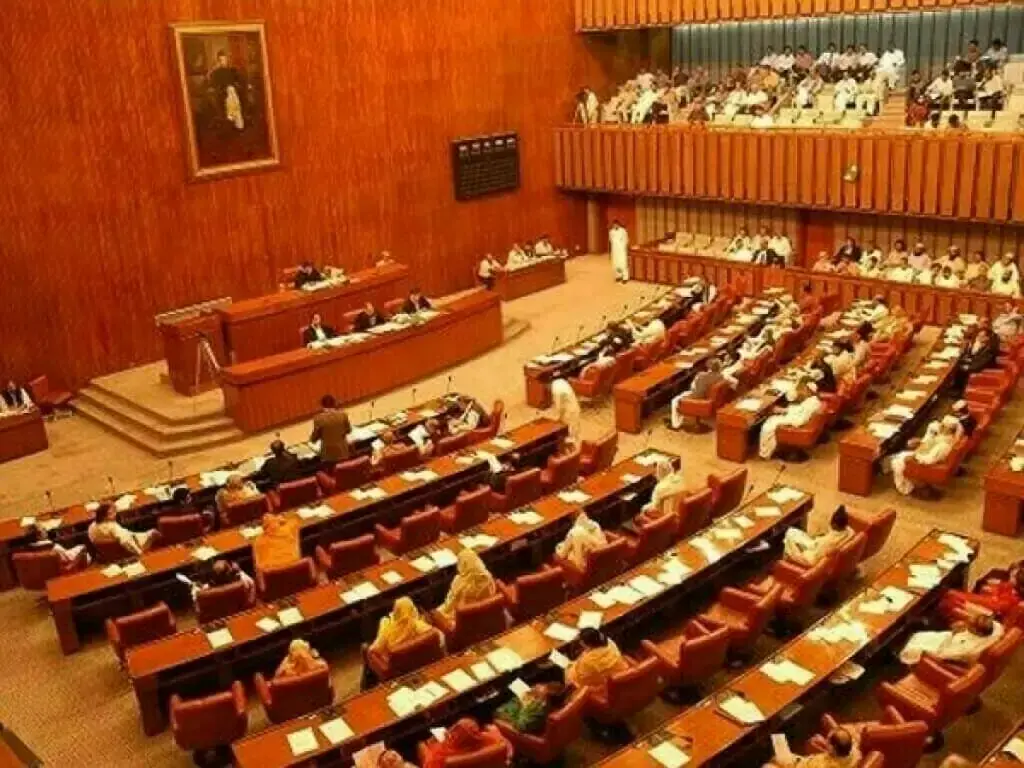
EDITORIAL: The findings of its survey report shared by Pildat on the February 12 National Women’s Day raise serious questions about the quality of democratic representation in Pakistan. While constitutional guarantees and affirmative action measures have ensured women a visible presence in legislatures, real influence remains elusive. Women hold 22 percent of the seats in the National Assembly, yet only one serves in a 31-member federal cabinet, and barely 10 percent of standing committees are chaired by women. The disparity between presence and power is difficult to ignore.
The underlying issue appears to lie in the mechanics of the current representation system. Women enter the Senate, National Assembly and provincial assemblies largely through reserved seats. These seats are allocated to political parties in proportion to the number of general seats won in an election, and party leaders then decide which women will fill them. In practice, this discretionary power is often exercised in favour of relatives, loyalists or those with close ties to party leadership rather than long-serving activists or individuals with demonstrated policy competence.
This method of selection has consequences. Women who enter parliament without a direct electoral mandate are generally seen as dependent on party patrons rather than accountable to the people. That perception, whether fully justified or not, affects their standing within legislative forums. It helps explain why so few women are entrusted with key ministerial portfolios or leadership of influential committees. Without an independent political base, their ability to assert themselves in decision-making processes is constrained.
At the same time, it would be unfair to dismiss the reserved seats system altogether. In a society where cultural norms, financial barriers and political pressures discourage many women from contesting open seats, quotas have ensured that women are at least present in legislative bodies. The challenge, therefore, is not to abandon affirmative action but to reform it in a way that promotes genuine empowerment rather than symbolic inclusion. One meaningful reform would be to require political parties to allocate a specified percentage of general election tickets to women candidates. Women elected directly by voters would carry an independent mandate, strengthening their legitimacy and leverage within parliament. They would be more accountable to their constituencies and less vulnerable to internal party hierarchies. Over time, such a shift could help normalise the idea of women contesting — and winning — general seats.
Sceptics, however, argue that parties will resist such mandates, fearing electoral losses. But various examples suggest that when parties do field women, voters often respond positively. If parties are reluctant to move in that direction, they can at the very least make the reserved seats system more equitable and transparent. The current pattern shows a heavy concentration of nominees from major urban centres, often those located close to party leadership. Allocating reserved seats with greater attention to geographical diversity would broaden representation and give women from smaller towns and rural areas a voice at the national level.
In the end, the issue is not simply numerical representation but meaningful participation in governance. Reforming and strengthening pathways for directly elected women would move Pakistan closer to a more substantive and inclusive democracy.
Copyright Business Recorder, 2026