Sunday, Feb 08, 2026 | 19 Shaban 1447

Sunday, Feb 08, 2026 | 19 Shaban 1447
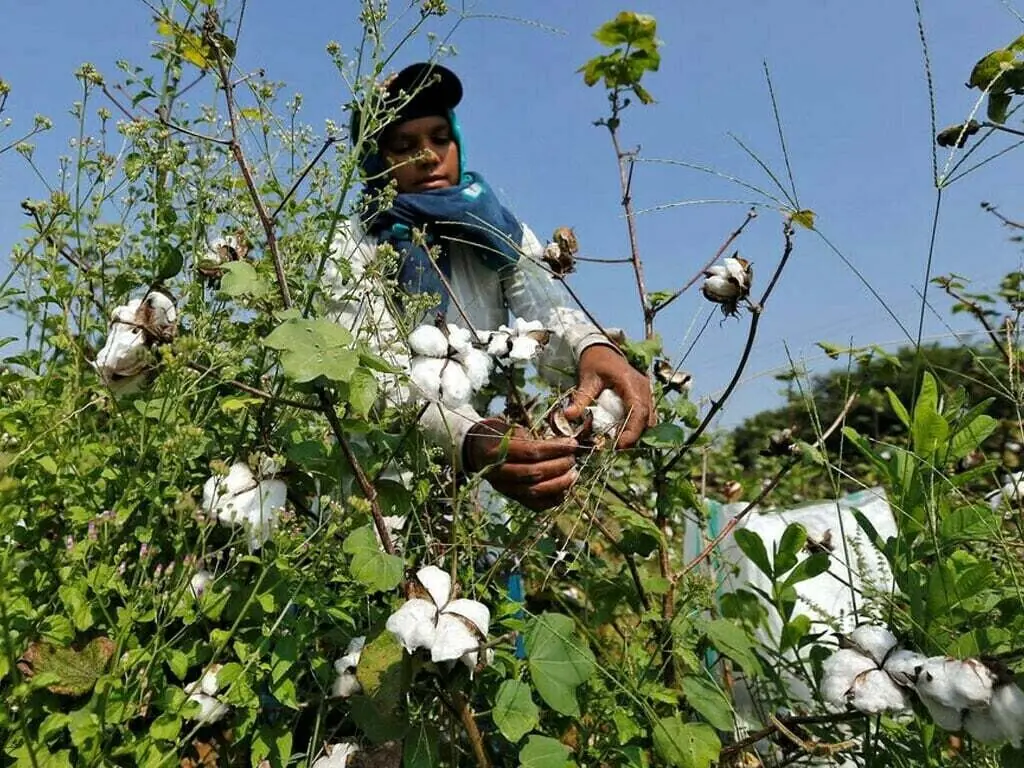
HYDERABAD: Speakers at the launch of a new women-focused literacy initiative emphasised that access to basic education is essential for advancing women’s economic empowerment and labour justice in rural Sindh.
They noted that literacy enables women cotton and agricultural workers to better understand their rights, calculate wages, and participate more confidently in economic and social decision-making.
In this context, Sindh Community Foundation (SCF) has launched 15 literacy centres to provide basic literacy and numeracy skills to 450 women cotton and agricultural workers, with support from the Asian Venture Philanthropy Network (AVPN) through its Asia Gender Equality Fund.
The centres have been established in 15 villages across two districts, including 5 villages in District Matiari and 10 villages in District Sanghar.
Building on this initiative, 10 additional literacy centres are planned in District Thatta, which will bring the total outreach of the intervention to 750 women agricultural workers across Matiari, Sanghar, and Thatta districts.
As part of the program, SCF organised a three-day intensive training workshop for 15 female literacy facilitators, who will lead the literacy centres and serve as instructors.
The training focused on informal learning methodologies, adult literacy approaches, and rights-based education, equipping facilitators with practical tools to support women learners effectively.
Speaking at the closing session of the workshop, Javed Hussain, Executive Director of SCF, emphasised that such interventions are critical for advancing social, economic, and labour justice for women agricultural workers, particularly cotton workers.
He noted that literacy is a foundational step toward empowering women to understand their rights, negotiate fair wages, and participate more confidently in collective action.
Hira Arain, Manager for Economic Empowerment at SCF, highlighted that literacy plays a vital role in women’s economic empowerment, enabling them to calculate wages accurately, keep basic records, and build self-confidence.
She added that these literacy centres are designed to create a direct and lasting impact on women’s daily lives and livelihoods.
The training workshop was facilitated by Manzoor Uqali, Senior Education Specialist, who guided participants on contextualised literacy content. Raees Alvi of SCF also addressed the participants.
Copyright Business Recorder, 2026