Monday, Feb 09, 2026 | 20 Shaban 1447

Monday, Feb 09, 2026 | 20 Shaban 1447
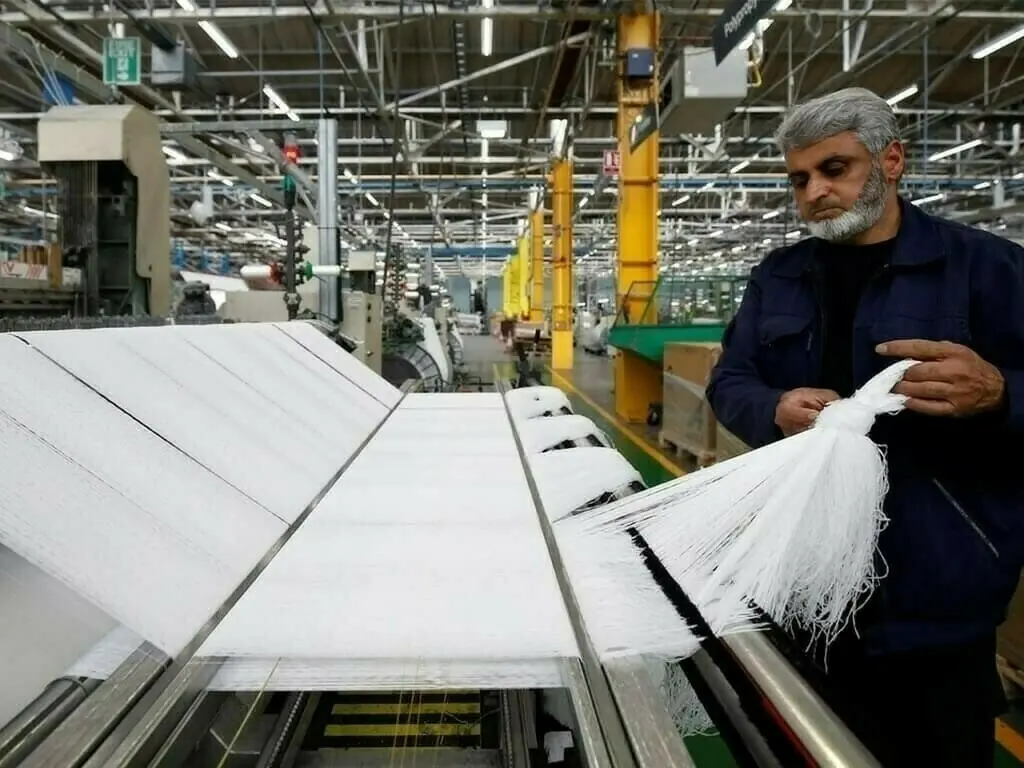
KARACHI: The International Cotton Advisory Committee (ICAC) has revealed in its latest report that global cotton production during the cotton year 2025-26 is estimated to reach 26 million tons, while consumption is projected at 25.2 million tons.
According to the ICAC report, this year the highest cotton production worldwide will occur in China, followed by India and Brazil, while the highest consumption will be in China and India, with Pakistan ranking third.
The ICAC report further indicates that during this year, the largest cotton exports will originate from Brazil, followed by the United States and Australia as the biggest cotton exporters, while Bangladesh has emerged as the largest cotton importing country this year, followed by Vietnam and China as major cotton importers.
The Pakistan Hosiery Manufacturers and Exporters Association (PHMA) has appealed to Prime Minister Muhammad Shehbaz Sharif to declare an export emergency and convene an urgent consultative meeting to protect Pakistan’s value-added garment sector, which is currently facing a crisis in its exports and the textile industry.
In a formal appeal addressed to the Prime Minister, PHMA stated that the industry is experiencing severe pressure due to a combination of external trade shocks and internal cost and competitiveness issues. These include the proposed European Union-India Free Trade Agreement, additional tariffs imposed by the United States, and record-high domestic manufacturing costs.
European Union Ambassador Rimantas Karoblis held detailed discussions with the leadership of the All Pakistan Textile Mills Association (APTMA) regarding developments in the external sector related to the GSP+ facility. He visited APTMA House on Friday accompanied by Piotr Buszta, Head of Political, Trade and Communication, where APTMA officials including Kamran Arshad, Chairman Asad Shafi, Chairman North, Haroon Elahi, and Secretary General welcomed them. Raza Baqir and other senior members of the association were also present.
The visiting envoy stated that Pakistan would need to demonstrate progress in implementing and legislating various laws and conventions necessary to obtain GSP+ status. He urged the business community and particularly exporters to not only take immediate measures for implementing the required conventions but also remain in contact with the government regarding provisions related to human and labour rights in order to pave the way for extending GSP+ for the next ten years.
In a significant development toward strengthening Pakistan’s cotton and textile sector, CottonConnect organized a high-level roundtable meeting in Islamabad titled “Strengthening Pakistan’s Cotton Sector through Regenerative Agriculture.” The meeting was chaired by the Federal Minister for National Food Security and Research (MNFS&R), while Additional Secretary of the Ministry, Mr. Alam Zaib Khan, and the Chairman of the All Pakistan Textile Mills Association (APTMA) were also present, reflecting close cooperation between government and industry.
The meeting was also attended by Dr. Yusuf Zafar (recipient of Tamgha-e-Imtiaz and former Vice President, Pakistan Central Cotton Committee) and Dr. Khadim Hussain (CEO, Pakistan Central Cotton Committee), while a delegation of senior officials from the Pakistan Central Cotton Committee was also present on the occasion.
The roundtable meeting, led by CottonConnect’s Country Head Abu Bakar, considered a roadmap for adopting regenerative agricultural practices aimed at improving soil health, supporting farmers, and ensuring transparency in the global cotton supply chain.
This initiative will prove instrumental in Pakistan’s efforts to meet international sustainability standards, while also playing an important role in long-term growth in the cotton economy and the overall national development agenda.
Cotton production in Pakistan has reached 55 lac bales so far, with Sindh contributing more than 29 lac bales while Punjab has recorded production of more than 26 lac bales. Quality cotton prices have remained stable in the market, however cotton stocks are decreasing day by day while trading volumes have also remained limited.
Chairman of the Cotton Ginners Forum, Ahsan-ul-Haq, has stated that alongside the continuous decline in cotton and textile exports, the European Union’s decision to grant duty-free exports to India, followed by America’s unexpected and extraordinary tariff reduction for India, has triggered a wave of concern in the country’s cotton industry. This situation has created new challenges for Pakistan’s textile sector.
Meanwhile, APTMA Chairman Kamran Arshad, along with his delegation, held an important meeting with the European Union Ambassador in which detailed discussions were held regarding GSP Plus. This meeting was of considerable significance in terms of efforts to promote Pakistan’s exports.
The honourable Sindh High Court has granted tenants and 320 registered cotton brokers access to the KCE building, but ETPB representatives have refused to allow them to sit in the office and have only permitted them to collect essential items. This situation has been creating difficulties for KCA cotton brokers and tenants.
For the past two months, the highly important daily cotton spot rate has not been issued, which serves as a major obstacle to trading activities. During this period, the Pakistan Hosiery Manufacturers and Exporters Association has requested the Prime Minister to declare an export emergency so that the problems facing the export industry can be addressed.
The Federal Board of Revenue has issued directives to APTMA to pay the super tax in installments, which could provide some relief to the textile industry.
As an important development toward strengthening Pakistan’s cotton and textile sector, Cotton Connect organized a high-level roundtable conference in Islamabad titled “Strengthening Pakistan’s Cotton Sector through Regenerative Agriculture.” The meeting emphasized the adoption of modern agricultural methods to increase cotton production and improve quality.
The local cotton market witnessed overall price stability throughout the past week as quality cotton continues to diminish, prompting textile mills to secure available supplies. Market trading volumes remain limited, with cotton prices ranging between 15,200 to 16,500 rupees per maund depending on quality and payment conditions.
The Pakistan Cotton Ginners Association has released cotton production statistics for the period ending January 31st, revealing that Pakistan’s total cotton arrival this year reached 5.545 million bales. Punjab contributed 2.630 million bales while Sindh accounted for 2.915 million bales. Overall, the national cotton arrival recorded a modest increase of 0.62 percent compared to the previous year. Punjab experienced a 2.74 percent decrease in total arrivals, whereas Sindh registered a 3.86 percent increase. This year witnessed higher sales of bales, with unsold stock standing at 380,000 bales, which is lower than last year, indicating improved market consumption and better market flow.
In its report, the Pakistan Cotton Ginners Association identified cotton attributed to exporters, which is actually cotton purchased by traders. This should technically be included in stock figures since it is sold in the local market.
The textile sector continues to face mounting challenges as the high cost of energy, elevated interest rates, and excessive taxation have significantly increased the cost of doing business, making it difficult to compete with regional countries. Although Prime Minister Shehbaz Sharif recently announced a reduction of 4.4 rupees in electricity rates and provided other concessions, the sector still struggles to remain competitive.
The All Pakistan Textile Mills Association has requested the provision of references from mills regarding super tax, but the Federal Board of Revenue maintains that the super tax should be paid in installments.
The ETPB, with the assistance of the FIA, has occupied and sealed the KCE building for the past two months. As a result, 320 registered cotton brokers and other tenants have been left helpless. Approximately 5,000 people have become jobless and unemployed. Furthermore, the critically important daily cotton spot rate is not being issued, which is causing difficulties for banks, insurance companies, textile mills, and ginning factories in determining cotton rates.
In the provinces of Sindh and Punjab, cotton prices are running between 15,200 to 16,500 rupees per maund according to quality and payment conditions. The supply has nearly ended. The prices of binola, oil cake, and oil remain stable.
Naseem Usman, Chairman of the Karachi Cotton Brokers Forum, stated that the international cotton market overall shows a bearish trend. The New York cotton futures price is running between 62 to 68 American cents per pound. According to the USDA’s weekly export and sales report, sales of 249,800 bales occurred for the year 2025-26.
Vietnam remained at the top by purchasing 54,000 bales. Pakistan remained in second position by purchasing 48,100 bales. China remained in third position by purchasing 36,600 bales.
For the year 2026-27, sales of 114,900 bales occurred. Malaysia remained at the top by purchasing 52,800 bales. Indonesia remained in second position by purchasing 33,400 bales. Mexico remained in third position by purchasing 8,800 bales.
Exports amounted to 235,300 bales. Vietnam remained at the top by importing 84,300 bales. Pakistan remained in second position by importing 29,100 bales. Bangladesh remained in third position by importing 19,500 bales.
Meanwhile, a wave of concern has swept through the national cotton industry due to the continuous decline in cotton and textile exports, coupled with the European Union’s duty-free exports to India and now the unexpected and extraordinary reduction in tariffs by the United States for India as well. If the federal and provincial governments do not take the required measures on an emergency basis for the cotton and textile industry, there are fears that national exports could decline further.
Chairman of the Cotton Ginners Forum, Ehsan-ul-Haq, informed that according to the statistics released by the Pakistan Cotton Ginners Association regarding the total national cotton production, cotton equivalent to 5.545 million bales has arrived at ginning factories across the country by January 31, which is 35,000 bales or 0.62 percent more compared to the same period last year. According to the report, during this period, 2.63 million bales arrived at Punjab’s ginning factories while 2.915 million bales arrived at ginning factories in Sindh and Balochistan, representing a three percent decrease and four percent increase respectively.
The report states that during this period, textile mills purchased 4.987 million bales from ginning factories while exporters bought 178,000 bales, and 380,000 bales are still available for sale at ginning factories. According to the report, sixteen ginning factories are currently operational in Sindh while eighty-four are active in Punjab. He mentioned that the federal government had set a production target of 12 million bales of cotton for Cotton Year 2025-26, however, the total national cotton production this year is expected to be approximately 5.6 million bales.
He said that following the European Union making its exports duty-free for India, the United States, which had previously announced it would impose a fifty percent tariff on India, has surprisingly now reduced this tariff from twenty-five percent to eighteen percent, while the tariff for Pakistan still remains at nineteen percent. He stated that due to these measures taken by the European Union and the United States, a wave of concern is visible throughout the entire Pakistani cotton industry, therefore federal and provincial governments should immediately fulfill the demands of the cotton and textile industry on an emergency basis so that by bringing production costs on par with neighbouring countries, our exports can increase considerably.
The textile industry has demanded from the federal government that their billions of rupees in refunds that have been pending for several years should be paid immediately, or these refunds should be adjusted against their current sales tax payments so that this industry can emerge from the economic crisis. He informed that the International Cotton Advisory Committee has stated in its latest report that during Cotton Year 2025-26, global cotton production is estimated at 26 million tons while consumption is expected to be 25.2 million tons. According to the committee’s report, this year the highest cotton production worldwide will be in China followed by India and Brazil, while the highest consumption will also be in China and India followed by Pakistan.
The International Cotton Advisory Committee (ICAC) has revealed in its latest report that global cotton production during the cotton year 2025-26 is estimated to reach 26 million tons, while consumption is projected at 25.2 million tons. According to the ICAC report, this year the highest cotton production worldwide will occur in China, followed by India and Brazil, while the highest consumption will be in China and India, with Pakistan ranking third.
The ICAC report further indicates that during this year, the largest cotton exports will originate from Brazil, followed by the United States and Australia as the biggest cotton exporters, while Bangladesh has emerged as the largest cotton importing country this year, followed by Vietnam and China as major cotton importers.
Copyright Business Recorder, 2026